

Are Dental Implants Painful? What to Expect Before, During & After Treatment
If you are considering a dental implant to replace a missing tooth, one of the first questions you may have is: “Will a dental implant hurt?”
The good news is that dental implant treatment is generally performed under local anaesthesia, so you should not feel pain during the actual implant placement. Some soreness, swelling or mild discomfort can occur after the procedure, but this is usually manageable and tends to improve as healing progresses.
At Zenith Dental Care, Noida, dental implant treatment is planned according to your oral health, bone condition and individual requirements.
Are Dental Implants Painful?
Dental implant placement itself is usually not painful because the treatment area is numbed with local anaesthesia.
You may feel pressure, vibration or movement during the procedure, but you should not experience significant sharp pain. If you do feel discomfort, your dentist can provide additional anaesthesia.
The level of discomfort after treatment can vary depending on factors such as:
- The number of implants placed
- The location of the implant
- The condition of the surrounding bone and gums
- Whether bone grafting or additional procedures are required
- Your individual healing response
What Happens During a Dental Implant Procedure?
A dental implant is designed to replace the root of a missing tooth.
The general process involves:
1. Dental examination and planning
Your dentist first evaluates your teeth, gums and available bone. Depending on the case, dental X-rays or 3D imaging may be recommended to plan the dental implant accurately.
2. Local anaesthesia
The area is numbed before implant placement. This helps make the procedure comfortable.
3. Implant placement
A small titanium implant is carefully placed into the jawbone at the planned position.
4. Healing and integration
The implant needs time to integrate with the surrounding bone. This process is known as osseointegration.
5. Final crown
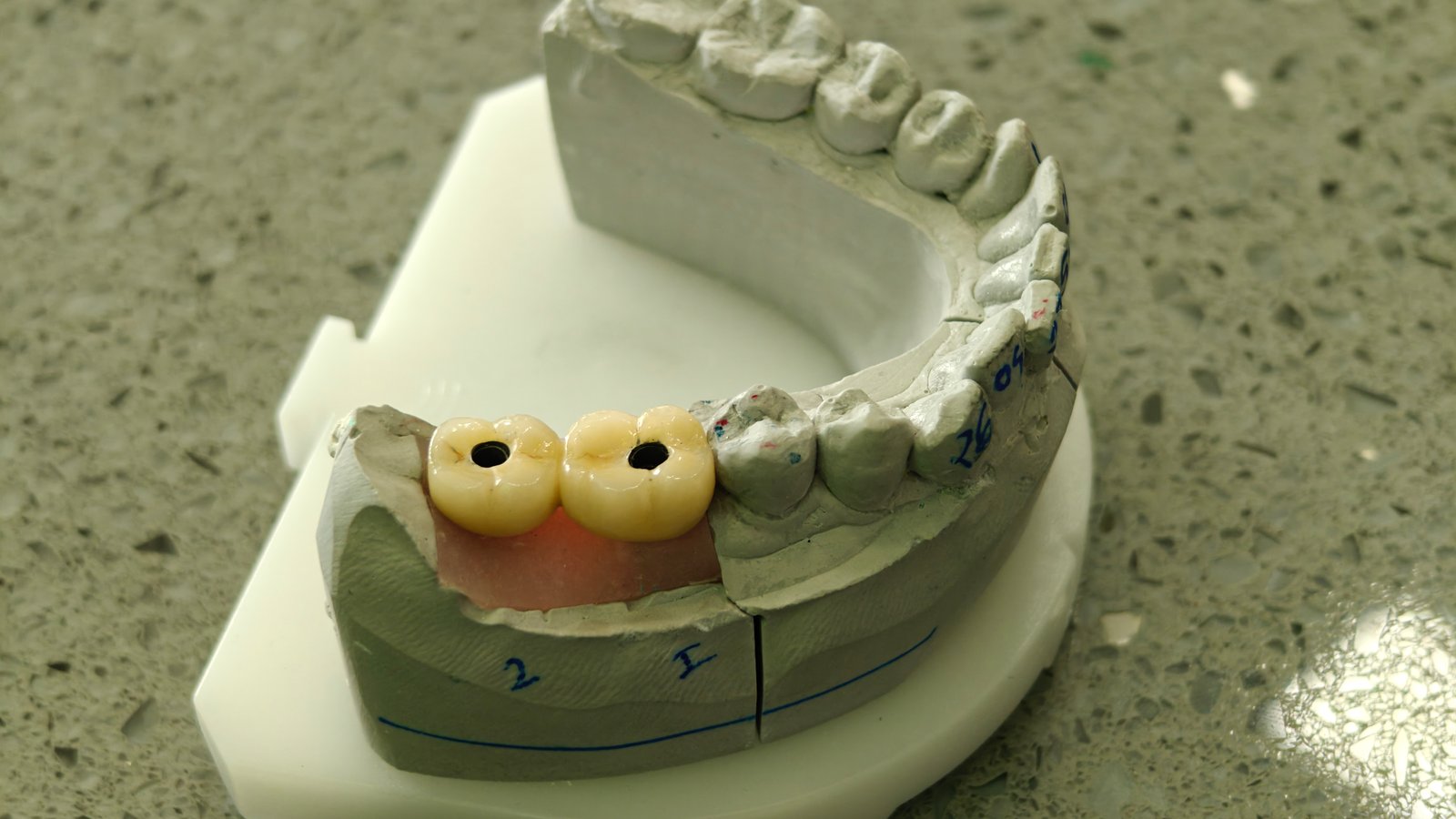
Once the implant has adequately healed and is ready for restoration, a dental crown is fabricated and attached to restore the appearance and function of the missing tooth.
The exact treatment timeline varies from patient to patient.
What Does Dental Implant Pain Feel Like After Surgery?
After the anaesthesia wears off, you may experience some:
- Mild soreness
- Gum tenderness
- Swelling
- Minor bruising
- Sensitivity around the treatment area
This is different from the sharp pain associated with an untreated or severely inflamed tooth.
For many patients, the discomfort is most noticeable during the initial healing period and gradually settles down.
Your dentist will provide appropriate post-operative instructions and, when necessary, recommend medication to manage discomfort.
How Long Does Pain Last After a Dental Implant?
There is no single recovery timeline that applies to everyone.
Mild discomfort and swelling are commonly experienced during the first few days and generally improve as healing progresses. The implant itself, however, takes considerably longer to fully integrate with the jawbone.
It is important to understand the difference between short-term post-operative discomfort and the longer biological healing process.
If pain is becoming increasingly severe instead of improving, or if you develop significant swelling, fever, persistent bleeding or other unusual symptoms, contact your dentist for an evaluation.
Is a Dental Implant More Painful Than a Tooth Extraction?
Not necessarily.
Both procedures are performed under local anaesthesia, and the amount of discomfort experienced afterward can vary considerably between individuals.
A straightforward implant placement may involve relatively limited post-operative discomfort, while more complex cases may require additional procedures and therefore have a different recovery experience.
Your dentist can explain what you should expect based on your specific treatment plan.
What Can Help Reduce Discomfort After Dental Implant Surgery?
Following your dentist's post-operative instructions is one of the most important parts of recovery.
Depending on your case, your dentist may advise you to:
- Take prescribed or recommended medication as directed
- Avoid disturbing the surgical area
- Follow the recommended diet during the initial healing period
- Maintain appropriate oral hygiene around the treatment area
- Avoid smoking or tobacco, which can interfere with healing
- Attend your scheduled follow-up appointments
Do not take medication or antibiotics without professional advice.
Can Dental Implants Fail or Cause Pain Later?
Dental implants have high success rates when appropriately planned and maintained, but no dental treatment is completely risk-free.
Persistent or worsening pain after the initial healing period should not simply be ignored.
Possible problems can include infection, inflammation around the implant, issues with the implant or restoration, excessive forces, or other dental conditions.
Regular dental examinations and good oral hygiene are important for maintaining the health of both your natural teeth and implants.
Are Dental Implants Worth Considering for a Missing Tooth?
A missing tooth can affect chewing, appearance and the way the surrounding teeth function.
Dental implants are one option for replacing missing teeth. Depending on your situation, alternatives may include a dental bridge or removable denture.
The right option depends on factors such as:
- Number and location of missing teeth
- Bone availability
- Gum health
- Overall oral health
- Treatment expectations
- Budget and long-term maintenance
A dental consultation can help determine which option is appropriate for you.
Frequently Asked Questions
Is dental implant surgery painful?
Dental implant placement is performed under local anaesthesia, so significant pain during the procedure is generally not expected. Some soreness and swelling may occur afterward.
How many days does dental implant pain last?
Post-operative discomfort commonly improves over the first few days, although healing continues for much longer. Your recovery depends on the complexity of the procedure and your individual healing response.
Can I eat normally after getting a dental implant?
Your dentist may recommend a softer diet initially and provide specific instructions based on the procedure performed. You should avoid putting unnecessary pressure on the surgical site during early healing.
Are dental implants painful after the crown is placed?
The placement of the final crown should not normally cause significant pain. If you develop persistent pain while biting or chewing after restoration, your dentist should evaluate the implant and surrounding tissues.
Can everyone get dental implants?
Not everyone is an immediate candidate. Adequate bone, healthy gums and appropriate overall oral health are important considerations. Some patients may require additional treatment before implant placement.
Considering Dental Implants in Noida?
If you have a missing tooth and are considering a dental implant in Noida, a proper clinical examination is the first step.
At Zenith Dental Care, implant treatment is planned after assessing your teeth, gums, bone and overall dental requirements.
Don't let fear of pain stop you from discussing your options.
Book a dental implant consultation at Zenith Dental Care, Sector 37, Noida, and find out whether dental implants are suitable for you.
